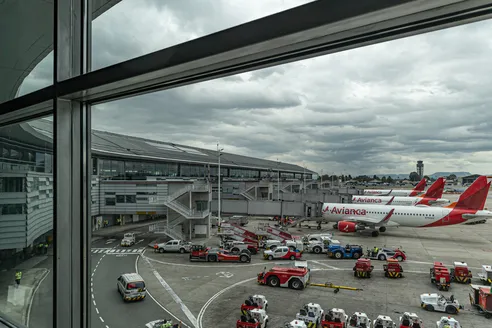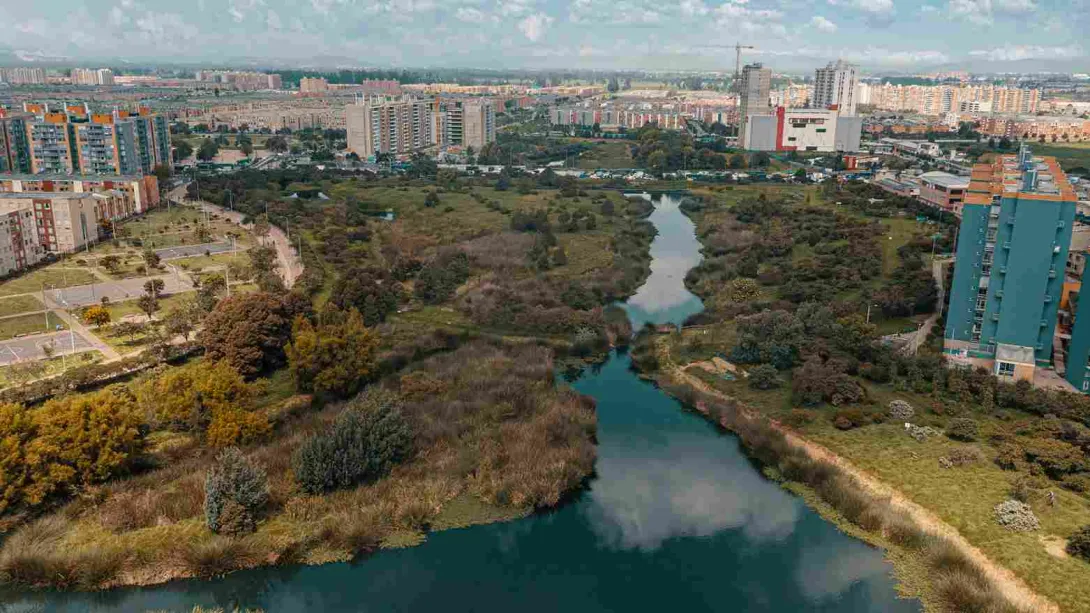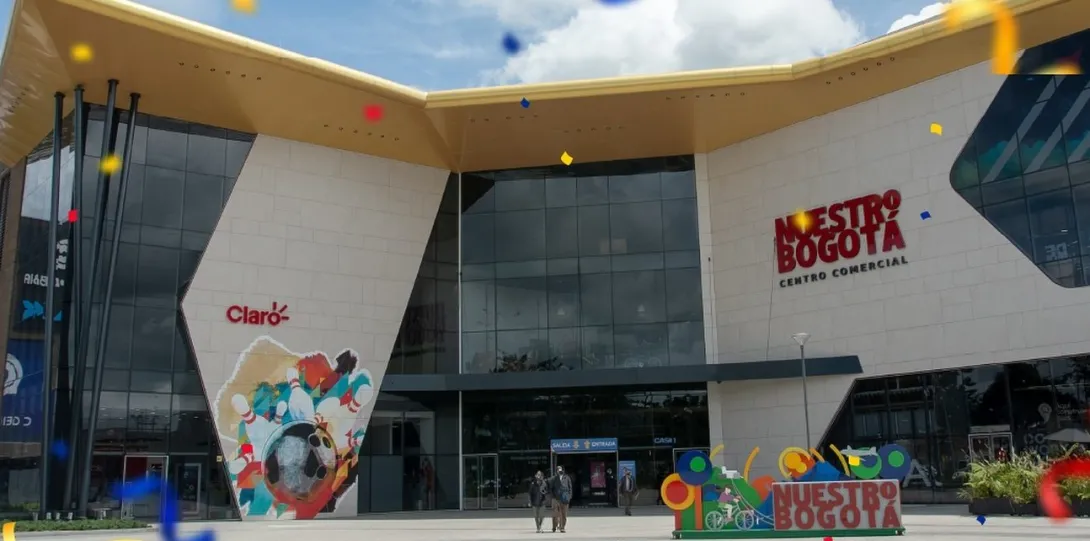
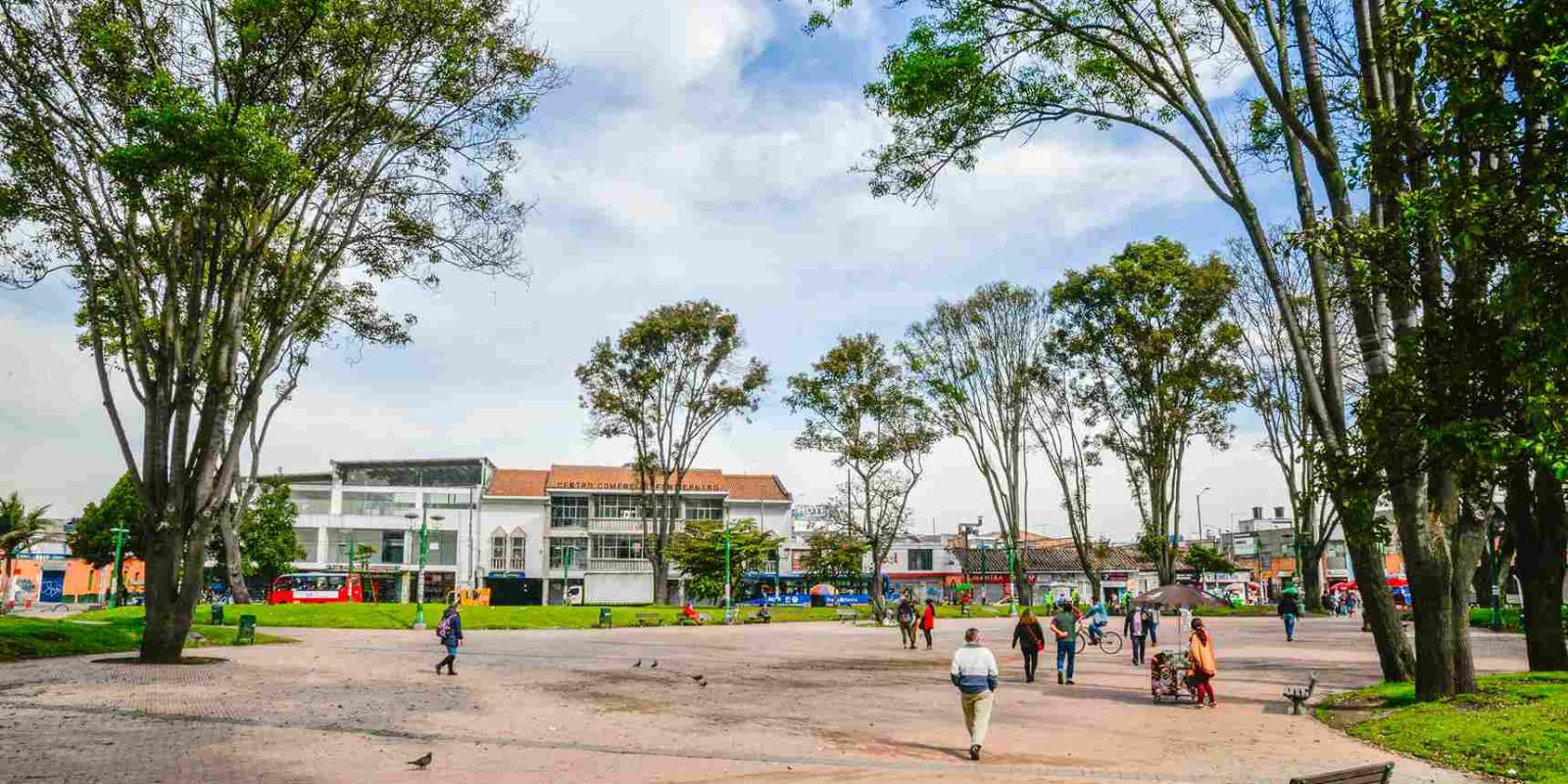
During the pre-Columbian and colonial periods, Fontibón was a strategic territory for the Muisca people, serving as a transit point and communication hub. From the 16th century onward, it served the Spanish as a transit point for mule trains and the transport of goods and travelers between Santa Fe de Bogotá and the Magdalena River.
In 1538, it was recognized as a "Town of the Royal Crown." Later, it was designated an "Indian Town" to facilitate the Christian indoctrination of the native population, who resisted this process. Thus, it became a mission and parish, then a parish for white settlers, a parish district, and finally, a municipality. Along with six other surrounding municipalities, it was annexed to the Special District of Bogotá in 1954 and began to experience rapid urbanization.
Its founding dates back to 1594 under the name Hyntiba, Hontibón, or as it is currently known: the town of Fontibón. Its prime location has allowed it to connect the Colombian capital with the western and southern parts of the country. It's worth noting that it became the ninth locality of the Capital District in 1991.